Not medical advice. Bone density, vitamin D, supplements, imaging, and any change to your child’s diabetes or diet plan belong with their care team – not a news headline.
Some T1D news hits the “change the pump settings tonight” part of your brain. Bone health is the other kind: easy to file under “future us,” easy to ignore until someone says fracture. Childhood and teen years are when a lot of peak bone mass gets banked, though – so the boring week-to-week stuff still matters now.
Researchers following kids and teens with Type 1 over about four years (Mondkar and colleagues, journal Bone; abstract on PubMed) reported progressive declines in several bone density measures – especially with longer diabetes duration and tougher metabolic markers. Parent write-ups such as Deccan Herald framed “what you can do.” Read the abstract for design details. Below is the household layer – not every Z-score.
Why this news loses to CGM alarms
If you have ever closed a “T1D and bone density” tab because something was beeping, you are not a bad parent. Bone does not send push notifications. Lows, school emails, and “are we out of pods?” do.
Our rule: one calendar hook per year is enough. Pick a real visit – annual labs, sports physical, back-to-school endo – and put “bone basics” on that same list. Three checkboxes, not a new specialty project.
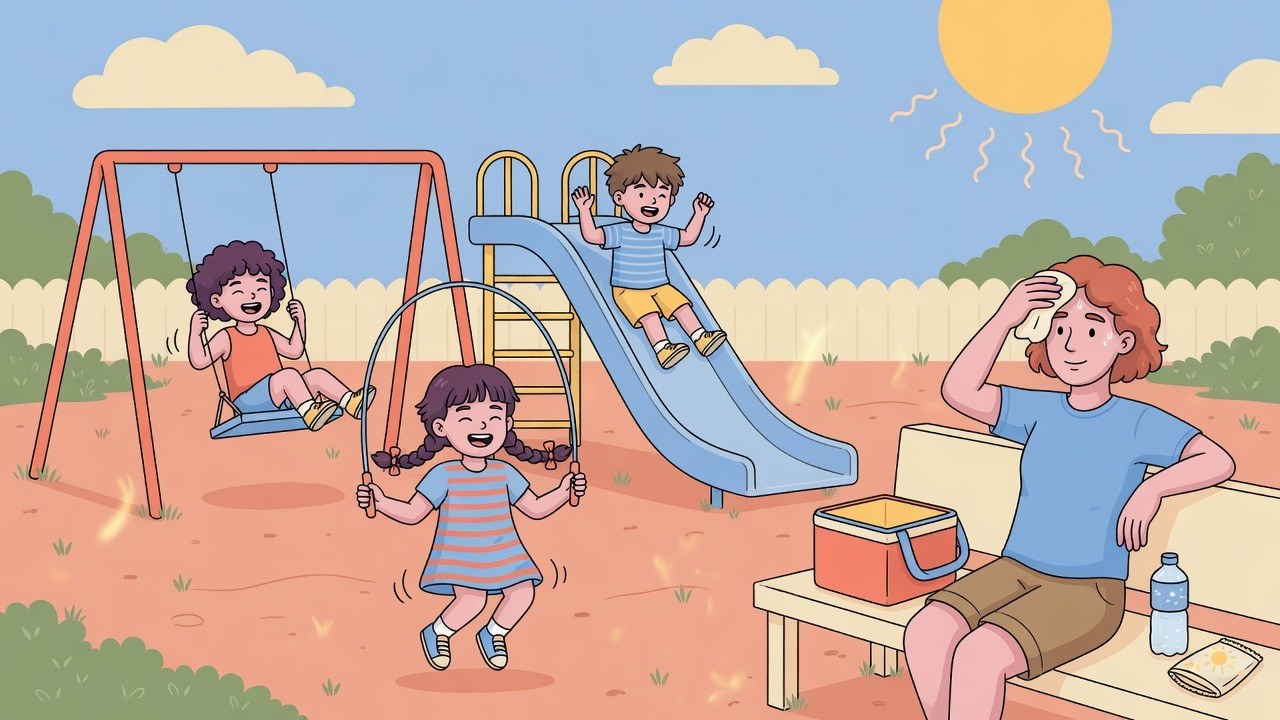
Playground time is bone work too
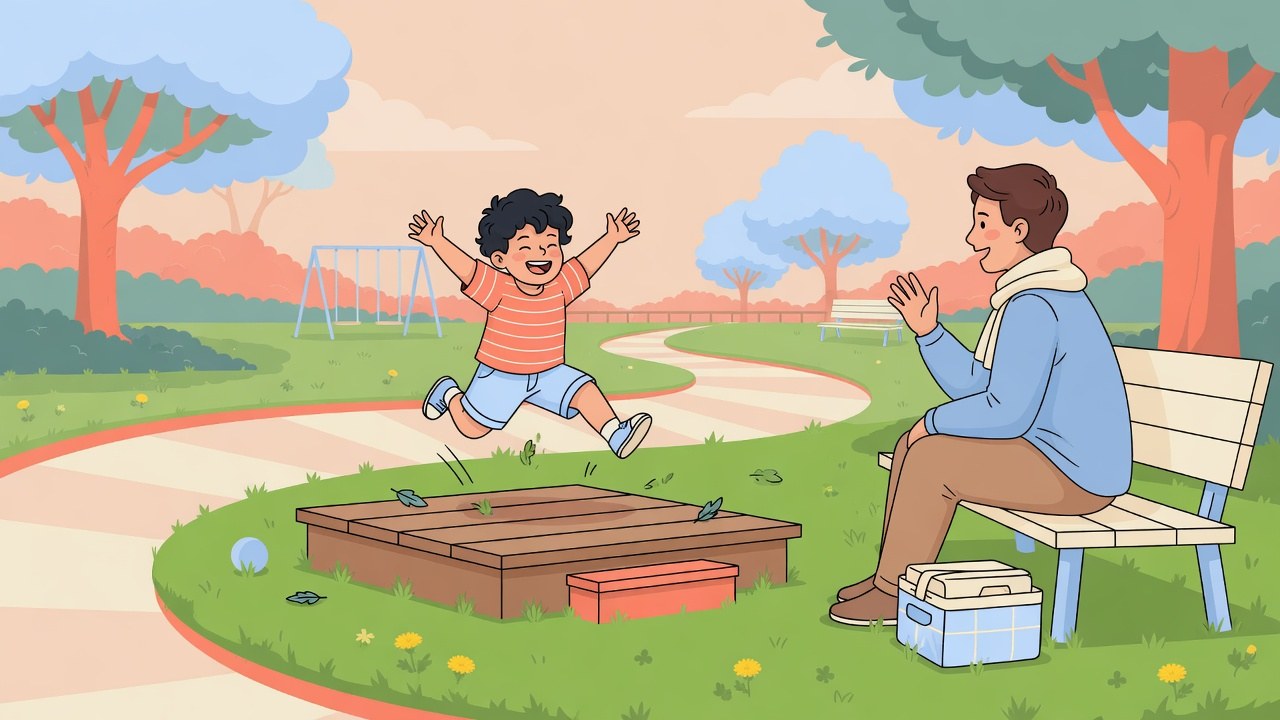
Running, jumping, ball games, playground equipment – that kind of weight-bearing play is one of the few bone supports with real pediatric T1D research behind it. That is not a promise your child will match a textbook chart. It is permission to treat recess and sports as part of long-term body building, not only as carb math.
- Prefer “feet on the ground, some impact” over only screen time or pure swimming weeks when you have a choice.
- Do not invent a new gym program at 11 p.m. Steal existing PE, soccer, trampoline parks, or backyard jumps.
- Still plan for lows – bone gains are useless if exercise becomes a scare that kills the habit. Same hypo kit discipline you already use (daily kit bag thinking).
Related: why video games spike blood sugar – different trigger, same “activity is not only carbs” lesson.
Home stuff vs clinic stuff
No appointment required: keep some weight-bearing play on the week, aim for normal kid calcium-ish eating (dairy or fortified alternatives), and do not stockpile megadose vitamins off a study headline.
With the care team only: ask whether vitamin D has been checked recently; confirm celiac screening is still on the practice’s schedule (celiac can hurt bone health – screening is not DIY gluten-free); ask when, if ever, they would order a DXA. Routine DXA for every kid with T1D is not the universal default.
What I might say at the endo visit
“We saw research about bone density and kids with Type 1. For our age and history – including celiac screening and vitamin D – is there anything you want us doing differently, or are lifestyle basics enough right now?”
What we are not doing
- Not treating one study as a personal prognosis.
- Not starting high-dose calcium or vitamin D “just in case” without labs and a plan.
- Not pulling a kid from sports because bone news feels scary – impact play is often part of the support list when it is safe for that child.
- Not demanding a DXA because a headline said “progressive decline.”
- Not ignoring overall control either – it already sits on the clinic agenda for a dozen other reasons.
Bottom line
Kids with T1D can show quieter bone building across the growing years. That is worth knowing. It is not a reason to panic, or to turn dinner into a pharmacy aisle. Feet on the ground, food that covers calcium without obsession, vitamin D and celiac status on the clinic checklist, and one clear question at the next visit.
Day-to-day map: our Daily T1D hub. Research start: PubMed abstract for Mondkar et al.
Does Type 1 always mean low bone density in kids?
No. Studies often show group averages a bit lower than peers, and some work shows changes over years – but individual kids vary widely.
What can we do at home without a new prescription?
Regular weight-bearing play, reasonable calcium-containing foods, and not abandoning activity over fear. Supplements, labs, and imaging stay with the care team.
Should every child with T1D get a DXA scan?
Not automatically. Many guidelines reserve routine DXA for higher-risk situations. Ask your endocrinology team what applies to your child.
Sources: Mondkar et al. (PubMed); parent summary via Deccan Herald.
This is not medical advice. Decisions about diet, supplements, activity, and testing are for your child’s clinicians.