
Skip to content

Diabetes Amigo

Supporting the parents and caregivers of kids diagnosed with Type 1 Diabetes

  • Easing Injections
  • Carb Counting
  • Travel
  • Sports
  • Home
  • #t1diabetes
  • Page 2

Tag: #t1diabetes

iPhone Clean Up

Posted on January 3, 2020February 24, 2021 By Diabetes Amigo
iPhone Clean Up
Day-to-Day T1D

This post may contain affiliate links. Please see the affiliate disclosure for more details.

Dexcom users that use an iPhone as a receiver can benefit from an iPhone clean-up.

Storage / Background / Bluetooth / Medical ID / Controls / Wallpaper

Storage Space

Dexcom requires open storage space to run and work properly. Check your storage space and delete any unnecessary applications if necessary.

Background App Refresh

The Background App Refresh setting on an iPhone allows the Dexcom app to refresh when on Wi-Fi or cellular in the background even when you are not using the app. Make sure this setting is turned on at Settings > General > Background App Refresh.

Bluetooth

Old transmitters that remain as paired devices can effect your phone’s battery efficiency. Unpair old transmitters in the Bluetooth settings.

Medical ID

Help first responders access medical information from a locked iPhone screen by setting up your Medical ID. This feature on your iPhone details allergies, medical conditions and emergency contact information.

Parental Controls

Review the parental control settings to make sure your child’s phone is being used as intended.

Wallpaper

Set the wallpaper on a locked iPhone screen to denote the phone is being used as medical device. View a sample wallpaper posted on Pinterest. Download the Pinterest file to your phone and use the phone’s picture markup tools to add other pertinent details like your child’s name, parent’s phone number or an “if found” phone number.

View other Diabetes Organization/Clean Up tips in the New Year Organization post.
New Year Organization

Posted on December 29, 2019February 24, 2021 By Diabetes Amigo
New Year Organization
Holiday

This post may contain affiliate links. Please see the affiliate disclosure for more details.

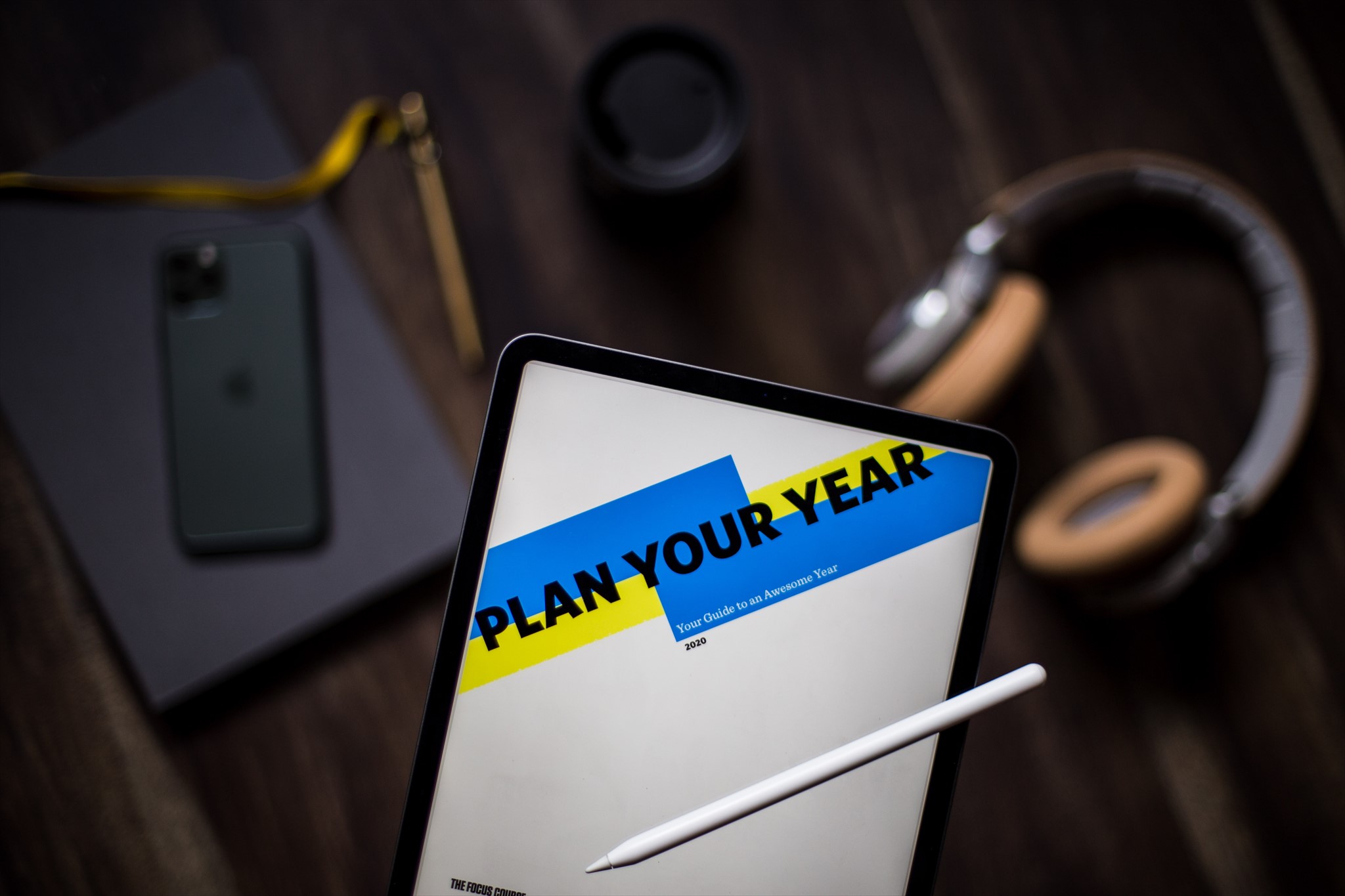
The start of a new year is filled with opportunities for a fresh start that can include diabetes management. Here are a few effective ideas that you can implement now that will help you through out the year. #ad

Insurance / FSA / D-Bag / Pump / Supplies / School /
Data / iPhone / Stay Informed

Insurance Review

  • Formulary
    • Review your insurance formulary to make sure there are no changes in your prescription coverage. Many insurance companies change their preferred/tier 1 insulin between Humalog/Novolog/Admelog based on new contract pricing for the year.
  • Renewals
    • Renew your prescriptions if necessary. Some insurance companies require new prescriptions every year, even if there are refills on file. This includes renewals of “Letters of Medical Necessity” as well.
  • Durable Medical Equipment (DME)
    • Continuous Glucose Monitors (CGMs) (i.e., Dexcom, Guardian Connect and Libre) and pump supplies are typically considered DME and cannot be purchase at a local pharmacy. Depending on your insurance, DMEs are covered through a medical supplier or through 90-day prescription benefits. Some insurance plans allow you to fill DME prescriptions through either a medical supplier or through the 90-day pharmacy. It is worth the effort to determine your cheapest price for DME supplies.
  • Refill Dates
    • Auto Refill
      • Determine if your local pharmacy or 90-day prescription supplier offers auto refills. Adding this feature to your refills is a huge time saver through out the year.
    • Calendar
      • Consider starting a family calendar and note refills dates through out the year to keep needed supplies stocked.

FSA Dollars

  • 2019 FSA Dollars
    • Check the balance on your 2019 Flexible Spending Account (FSA) and if funds are present submit receipts or use the funds.
  • 2020 FSA Dollars
    • Funds are available on January 1st for prescriptions and for some over the counter medications like glucose tabs, Blood Ketone Meter, Ketone Urine Test Strips and etc. Check your FSA list for your authorized over the counter supplies.

Diabetes Bag

  • Clean
    • Completely empty the bag and wash it! Place the diabetes bag in a laundry mesh bag before placing in the washing machine and then set outside to air dry.
  • Restock all supplies
    • Make sure your bag has all the necessary diabetes supplies.
    • Check expiration dates on medication, food, batteries, and low supplies.
  • Replace your lancet
    • A new year means a new lancet. Seriously…consider the Accu-Check FastClix lancets for easy lancet changes.

Pump

  • Pump Settings
    • Take pictures of your pump settings/basal rates for reference in case of a pump failure. This is also helpful if basal changes are made and you need to change back to previous basal rates.
    • Check that the time and date settings are correct.

Supply Closet

  • Organize
    • Take out all supplies and reorganize by expiration date to ensure you are using the oldest supplies first before they expire.
    • Donate extra supplies that are not expired and discard expired medications/supplies.

School

  • 504 Plans
    • Review your 504 Plan to make sure any recent changes are included in your plan. Also consider updating the 504 Plan to resolve any ongoing issues. 504 Plan updates are worth the effort to have a good year.
  • School Orders
    • Make sure your school order on file with the Endo matches the 504 plan or request changes include any new updates.
  • Medical Forms for Sports
    • Avoid the August rush for sport forms by getting them done early in the year. Sport forms are typically good for one year and can be completed in advance of spring/summer sports.

iPhone Clean Up

  • Dexcom users that use an iPhone as a receiver can benefit from an iPhone clean-up
    • Storage Space – Dexcom requires open storage space to run and work properly. Check your storage space and delete any unnecessary applications if necessary.
    • Old Transmitters – unpair old transmitters in the Bluetooth settings. Old transmitters that remain as paired devices can effect your phone’s battery efficiency.
    • Medical ID – set up your Medical ID to help first responders access medical information from a locked iPhone screen.
    • Parental Controls – review parental controls to make sure your child’s phone is being used as intended.

Data Review

  • CGM Data
    • Take time to log on to CGM reports like Clarity, Guardian Connect or LibreLink to review the data for basal rates and Insulin to Carb ratios (I:C).
    • Make a list of questions to ask the Endocrinologist about your data during your next appointment.
    • Review Time-in-Range and and set a goal to increase this number. Even if the increase is just 2% more because the A1C value is not the only number you should care about every three months.

Stay Informed

  • Podcast
    • Juicebox Podcast
  • Blog
    • Think Like a Pancreas
  • Conferences
    • TCOYD
    • Children with Diabetes Friends for Life

Using, Storing and Protecting Insulin

Posted on September 8, 2019August 9, 2022 By Diabetes Amigo
Using, Storing and Protecting Insulin
Day-to-Day T1D

You were most likely provided with instructions for properly storing your unopened insulin in the refrigerator but little instructions once the insulin vial is opened. Insulin vials require extra care from the time they are removed from the box/refrigerator and used. Consider the following ways to keep your insulin safe. #ad

Best Practices / Temp Control / Protectors / Storage

Best Practices

  • Refrigerated Vial of Insulin – an unused vial of insulin kept in the refrigerator is good until the expiration date. A used vial of insulin kept in the refrigerator is good for 28 days.
  • Un-refrigerated Vial of Insulin – assuming a used/open vial of insulin is kept at reasonable temperature variations (no direct sun/heat or freezing temperatures) it is effective for 28 days.
  • Receiving Insulin – make sure when you purchase/receive your insulin it was continuously refrigerated and cold to the touch.
    • Local Pharmacy – confirm the insulin was continuously refrigerated and not placed on the shelf for pick-up. Also check the expiration date.
    • Mail Order / 90-day Prescriptions – insulin should arrive packed with ice packs that are still frozen and the insulin boxes do not feel warm.

Temperature Control

  • Wireless Refrigerator Thermometer – make sure your refrigerator maintains temperature control by installing an alarm with audible and visual alarms. When temperatures exceed your pre-set minimum and maximum alarm settings you are notified with beeps.
  • Frio Case – fabric case that includes an internal wallet that when dipped in water remains cool for 48 hours. Great for daily use to protect open insulin vial or pump from extreme temperatures or to add padding around a vial. Various colors and sizes available.
    • 1 vial mini wallet
    • 2 vials wallet
    • Large wallet
    • Extra large wallet – great for pumps
  • Insulin Ice Pack Coolers – protect open or unopened insulin from extreme temperatures, while traveling or on long car rides. Cases also have removable/reusable ice packs and space for storing other diabetic supplies.
    • ROHKLER Insulin Cooler – hard case
    • ChillMED Micro Cooler – hard case
    • Goldwheat Portable Insulin Cooler Bag – soft case
  • CaseMD – compact vacuum-insulated container that protects and maintains temperature control for vials and pens.

Daily Use Protectors

  • Securitee Blanket – sleeve that projects and provides a secure grip for one insulin vial. The vial is not removed from the sleeve to fill a syringe. Available in two sizes and various colors.
    • Short Sleeve fits Humulin, Humalog, Novolin, Novolog and Fiasp
    • Tall Sleeve fits Lantus, Apidra and Levimer
  • Vial Safe – silicone reusable lightweight cover that allows for a secure grip and helps prevent breakage and shattering. Includes 2 different size protectors that fit various brands of short and long acting insulin.

Storage

  • HangTite Pen Holder – pen holder that is designed to mount inside the refrigerator to organize five insulin pens.
  • Vial Vase – keeps vials upright and secure in your refrigerator, on your counter-top, or anywhere you store your insulin.
  • Organizer Supply Box – divided plastic box for holding vials in the refrigerator.
  • 3D Printer – consider printing your own insulin storage device with free downloadable templates. Some public libraries have free 3D printers or you can find a vendor to print it for you.
    • STLFinder

Posts pagination

Previous 1 2
  • Instagram
  • Facebook

Copyright © 2026 Diabetes Amigo.

Theme: Oceanly News by ScriptsTown