Glucose Tab Storage

The best low treatment is the one you can reach in ten seconds. Glucose tabs work hard for our family – but only if they are not buried under soccer cleats or stuck in a forgotten coat pocket from last winter.

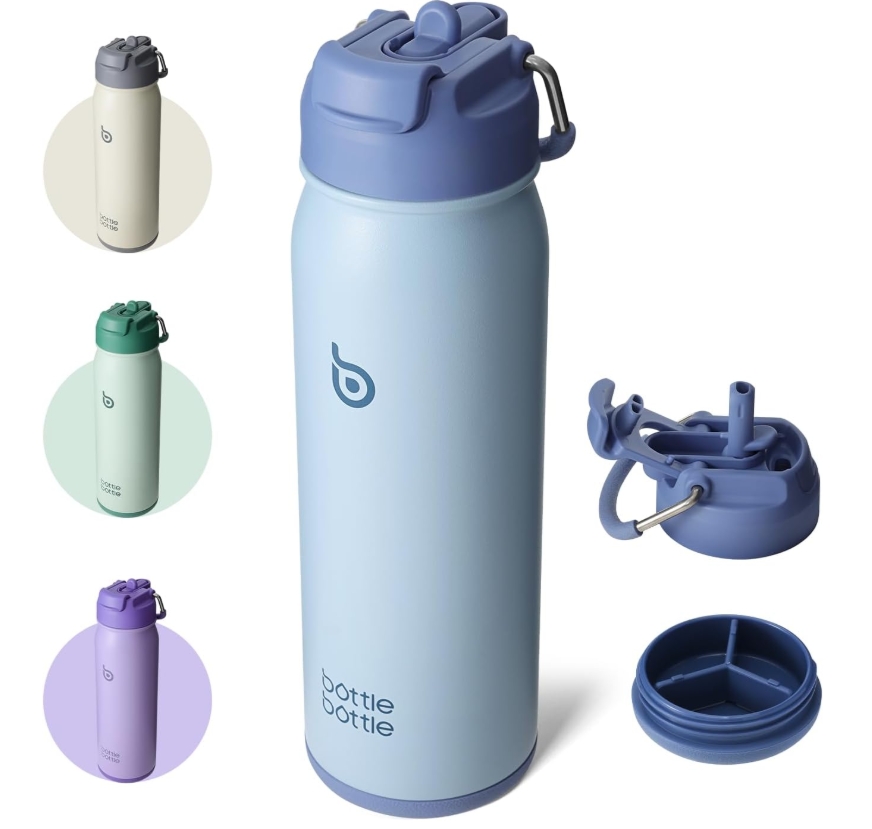
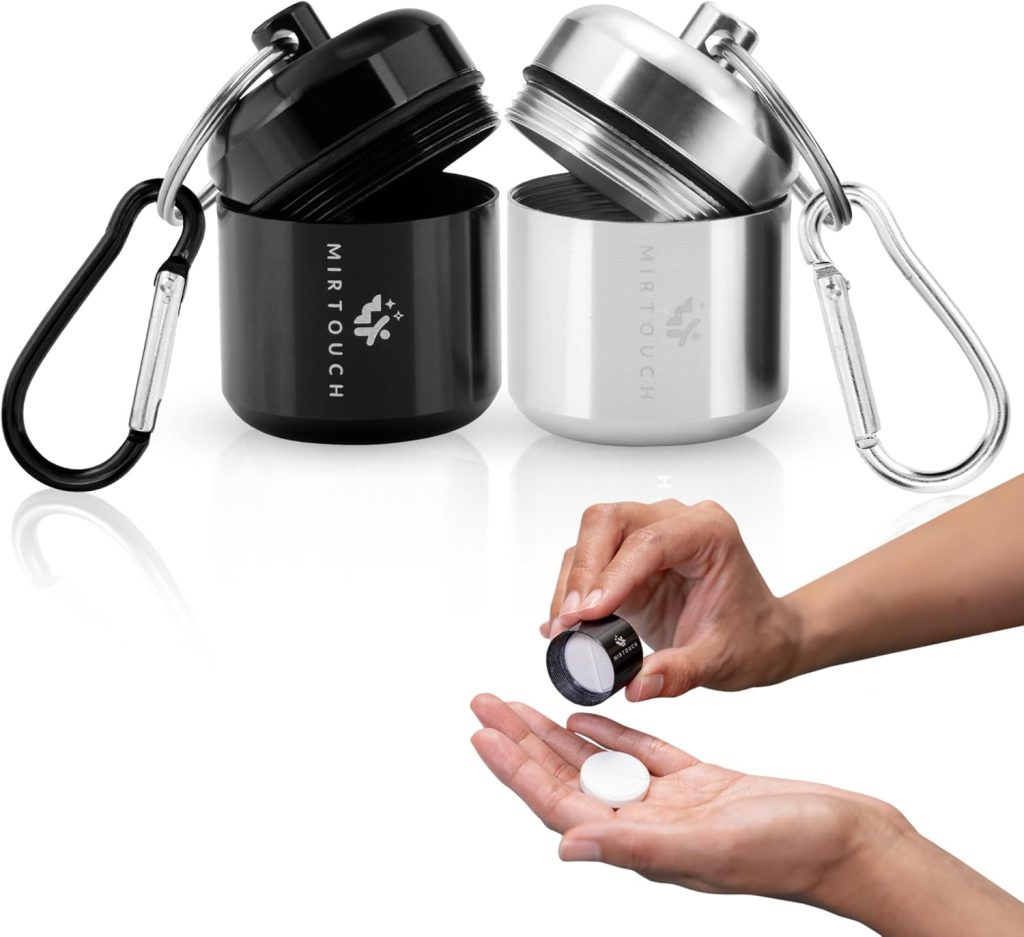
We stash tabs in more than one place: the daily bag, the car, a water bottle compartment, and something that clips to a belt or key ring for practices. Your care team sets treatment amounts; this page is only about keeping sugar findable.

Key takeaway: tabs fail for boring logistical reasons – crushed to powder, melted into a brick, left in the other bag, or expired two years ago. Storage is the whole game.

Not medical advice. Every kid and care plan is different. Check with your diabetes care team before changing how you manage T1D, and always follow their sick-day, dosing, and device instructions.

This page may contain affiliate links. Please see the affiliate disclosure for more details.

Why tabs instead of juice or candy

Nothing here says tabs are better – our bag carries juice too. But tabs earn their spot for a few practical reasons: they do not leak in a backpack, they do not freeze solid in a ski jacket, they come in a countable dose so a coach or a substitute teacher is not eyeballing it, and they are boring enough that they are still there when you need them. A stash of fruit snacks is a stash that quietly gets eaten.

The tradeoff is that tabs are chalky, and a kid who is low and miserable may fight them. That is a good reason to keep more than one kind of fast sugar in the daily kit bag rather than betting everything on one format.

What we look for in a tab carrier

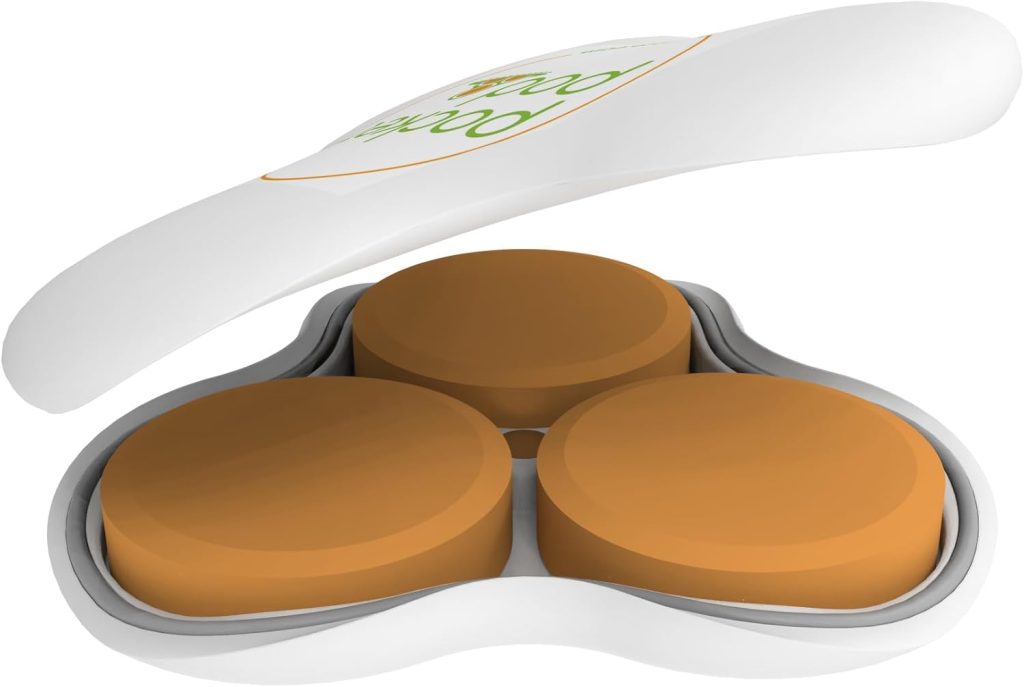
  • Hard enough that tabs do not turn to powder
  • Easy for a kid or coach to open with shaky hands
  • Small enough that it actually gets carried
  • Obvious – neon or labeled beats a silent black pouch in a black bag

That third point does most of the work. The best-designed case in the world does nothing from the kitchen counter. We optimize for “small enough to never be a decision” over “holds the most tabs.”

Also stock the daily kit bag and see sports gear on our sports page.

Where to stash them

The goal is that wherever your kid is standing when they go low, sugar is within arm’s reach without anyone going to find a bag. In practice that means accepting some duplication and restocking more often than feels necessary.

  • On the body – a key ring or belt clip carrier for practice, recess, and walking home. This is the one that matters most and the one most often skipped.
  • Daily bag – the main supply, alongside the rest of the kit.
  • Car – see the heat section below before you leave a tube in a glovebox.
  • Nurse’s office – part of the back-to-school box, restocked at least each semester.
  • Sports bag – separate from the daily bag, because the daily bag is the one that gets left in the car on game day.
  • Grandparents, carpool, and anywhere your kid sleeps over – a spare tube costs almost nothing and removes a whole category of panic.

Heat, cold, and the glovebox problem

Glucose tabs are more durable than most fast sugar, but they are not indestructible. In a hot car they soften, then fuse into a single chalky cylinder that will not come out of the tube. In a damp bag they absorb moisture and crumble. Neither makes them dangerous, but both make them useless at the exact moment you need one.

Practical version: treat the car stash as a rotating item, not a permanent one. Check it at the start of each season, and if you live somewhere genuinely hot, keep the car supply in a hard case rather than a soft pouch and expect to replace it more often. Cold is much less of a problem – tabs handle a ski jacket far better than a juice box does. Insulin is the thing that actually needs temperature planning, and that is covered on insulin storage.

Expiry and restocking

Tabs have a printed expiration date, and the stashes you never touch are exactly the ones that quietly age out. The car tube and the sleepover-bag tube are usually the oldest things in the rotation.

The system that works for us is calendar-based rather than inventory-based: twice a year, at the start of the school year and at the start of summer, we walk every stash and replace anything expired, crumbled, or half-empty. Tying it to something you already do beats hoping you will notice.

Carriers we use

Questions parents ask

How many tabs should we carry?

That is a care-team question, not a gear question. They will tell you how many grams of fast carbs to treat with, and how many tabs that works out to for the brand you buy. What we can say is to carry more than one treatment’s worth in every stash, because lows sometimes need a second round and because tabs get dropped on the ground.

Do tabs go bad?

They have an expiration date and they degrade physically well before anything else happens – fused from heat, crumbled from moisture. If a tube has turned into a solid block or a bag of dust, replace it rather than counting on it.

Can we just use candy instead?

Plenty of families do, and your care team can tell you which options they are comfortable with and in what amount. The reason we keep tabs in the mix anyway is dosing clarity for other adults: a coach handed a tube with a printed count has a much easier job than a coach handed a bag of assorted candy.

What about a low at school?

School stashes should be written into the plan, not just handed over. The 504 plan guide covers getting fast sugar allowed in the classroom and on the person, which matters more than what is sitting in the nurse’s office two hallways away.

Related